

 dacian,Drents Museum,Gold,museum theft,romanian,Romanian Police,The Netherlands
 No comments
From Explosion to Recovery: Authorities Set Press Conference on Recovered Dacian Gold Stolen from the Drents Museum
 |
| The golden helmet of Coțofenești, from the 5th century BCE. This masterpiece of Geto-Dacian craftsmanship was discovered by children after a heavy rainstorm in 1927. Image Credit: Vibeke Berens |
After fourteen months, Drents Museum and public prosecution department are expected to hold a press conference this afternoon at 2:00 pm to formally announce the recovery of the Romanian treasures stolen from the Drents Museum in Assen overnight on 25 January 2025.
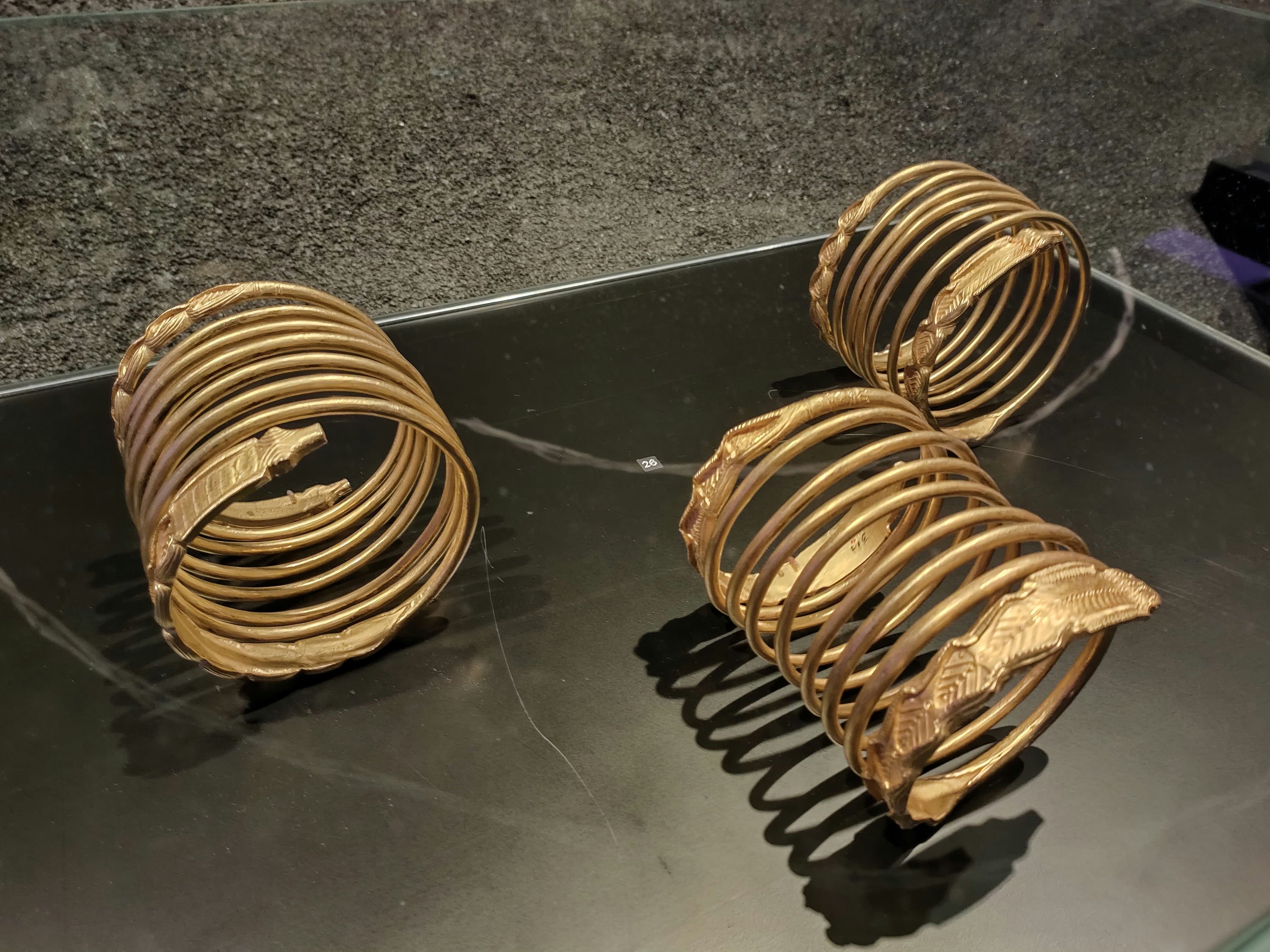 |
| Three gold spirals dating from the 1st century BCE - 1st century CE. They were originally found at Sarmizegetusa Regia, one of the six Dacian fortification systems on the UNESCO Heritage List. Image Credit: Vibeke Berens |
The theft, which shocked both the Netherlands and Romania, targeted objects on loan from the National History Museum of Romania in Bucharest. These works held profound national and symbolic significance, most notably the famed 2,500-year-old golden Helmet of Coțofenești, widely regarded as one of Romania’s most important cultural treasures. Their disappearance triggered widespread concern about museum security, international lending practices, and the vulnerability and commodification of gold and jewellery objects housed in museum collections currently being targeted by thieves.
Although arrests were made early in the investigation, the artefacts remained missing for months, ultimately resulting in the Netherlands paying out approximately €5.7 million in insurance compensation for the loss of the Dacian artefacts last September.
Their recovery follows months of investigation into the violent heist that shattered windows and caused damage to the museum buildings and saw the arrest of three alleged accomplices from Heerhugowaard, Douglas Chesley Wendersteyt, Bernhard Zeeman and "Jan B., who were each charged for their alleged roles in having used explosives to breach the museum in order to steal the historic Dacian artefacts.
Notably, news of this recovery comes just twelve days before substantive hearings in the defendents criminal case were scheduled to begin on 14 April in Assen, with a fourth suspect scheduled to appear before a police judge in early May. The timing raises questions about whether the recovery may play a role in the forthcoming judicial process.
Further details regarding the condition of the recovered objects, the circumstances of their recovery, and whether additional suspects have been identified are expected to be clarified during today’s press conference. For both Dutch and Romanian authorities, the recovery represents not only a significant investigative success, but also an important act of cultural restitution, restoring objects that carry deep historical and national meaning.
It's worth noting that the insurance amount paid out by the Netherlands last year represents the gold objects' insurance allocation amount and not the actual historic value of the items. Now that the gold has apparently been recovered, and assuming the objects are in good condition, the insurance paid out by the Netherlands should be reimbursed as part of the negotiated transfer of ownership agreement, or the pieces would become the property of the insured.
By Lynda Albertson